
Old House, No Building Permit on File? It May Still Be Perfectly Legal
- Old houses
- Legal status
- Catasto
- Buying property in Italy
- Geometra
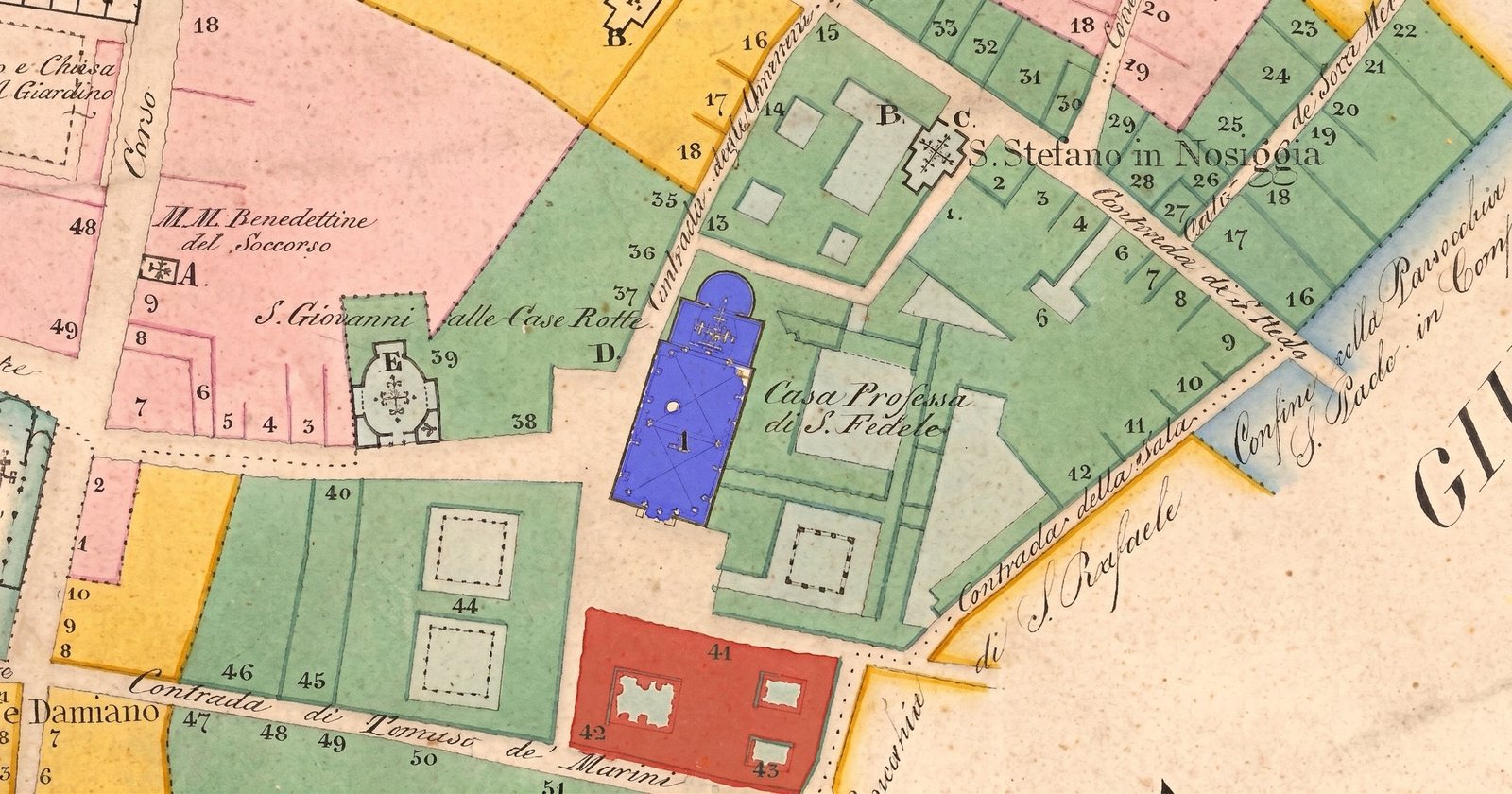
You have found the house: a stone farmhouse, an old townhouse, a village home that has stood there for a century. Then the search in the town hall archive comes back with bad news: there is no building permit on file.
Before you walk away, take a breath. For an old house in Italy, this is common, and it does not automatically mean the building is illegal. In many cases, it may be perfectly legal.
I am Salvatore La Rocca, a geometra in Lucca. Tracing the history of old buildings is one of the most interesting parts of my job. Here is how it works.
Why many old houses have no permit
Building permits have not always been required everywhere in Italy. The first national planning law, in 1942, required a permit mainly for buildings inside towns. Only from 1 September 1967 did the obligation extend to the whole municipal territory, including the countryside.
So a farmhouse built in the 1930s, or a village house from the 1800s, may simply have been built at a time when no permit was needed. There is nothing to find in the archive because there was never anything to file.
One caution: some municipalities had their own building regulations that required an authorisation earlier than the national law. This is one of the first things I check.
What the law says
Italian law has a precise answer for these buildings. Article 9-bis of the Consolidated Building Act (DPR 380/2001) defines the "stato legittimo", the legitimate state of a property.
For buildings constructed when a permit was not required, the legitimate state can be proven with documents: the information from the first cadastral registration, historic photographs and maps, archive records, and other public or private documents with a certain date. Any later works must still be covered by their own permits.
In other words, the house does not need a permit it was never required to have. It needs evidence of what it looked like before the rules changed.
The evidence I look for
1. The first catasto maps
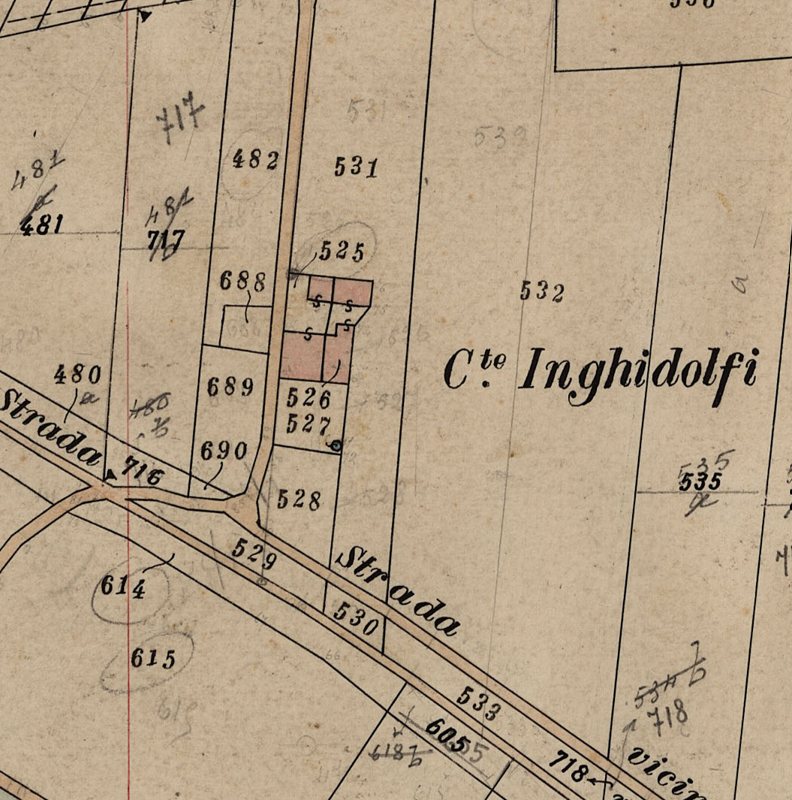
The original cadastral sheets show what stood on each parcel, and when. In Tuscany some of these maps date back to the first half of the 19th century. Later revisions, with their crossed-out and renumbered parcels, tell the story of how the land changed over time.
2. Aerial photos from decades ago
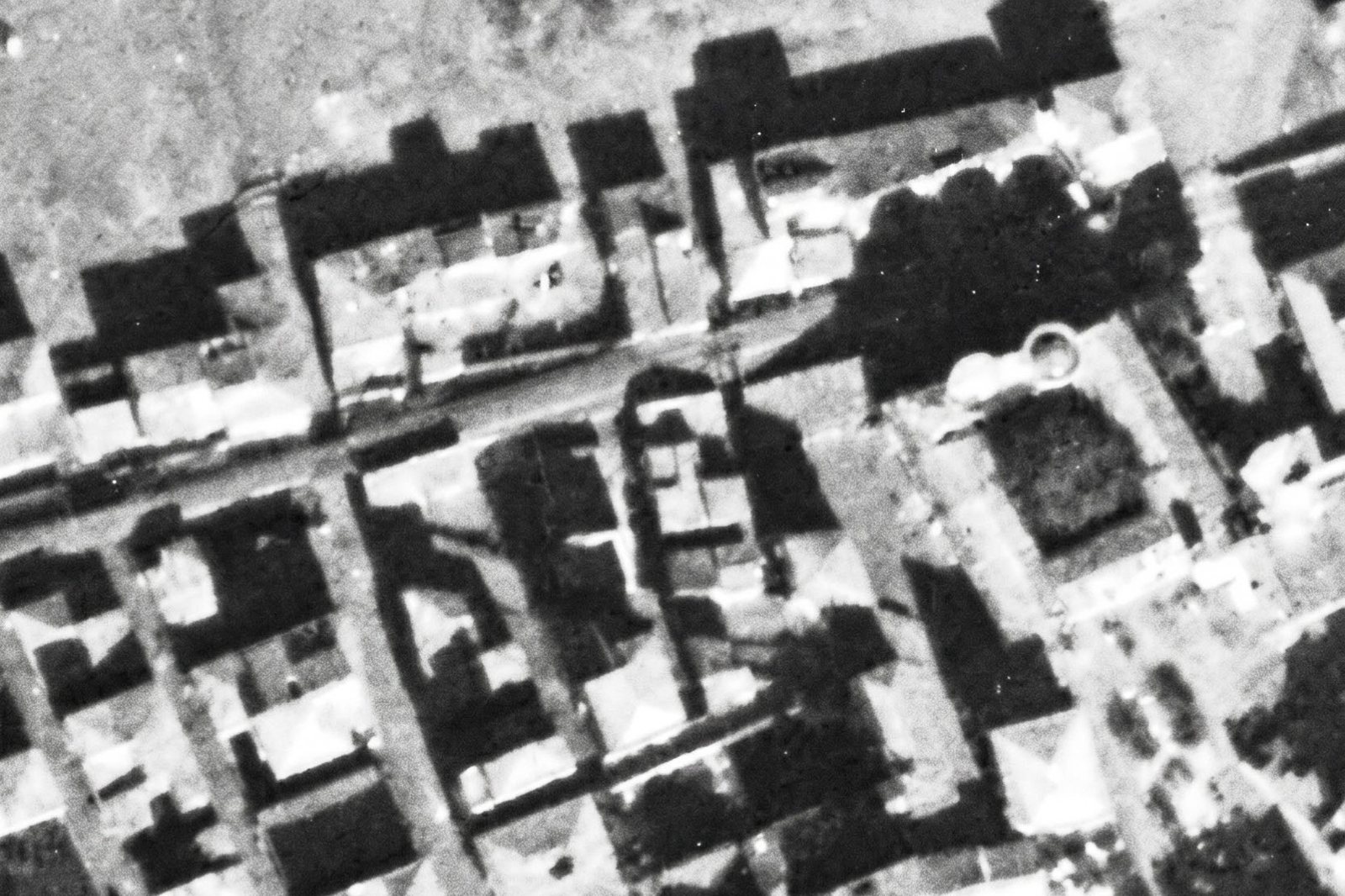
Historic aerial surveys show a building's footprint long before today. The most useful is the national flight of 1954, which covers the whole of Italy and predates the 1967 deadline. Regional archives hold many later flights too, so I can often see when an extension or an outbuilding first appeared.
3. Old floor plans
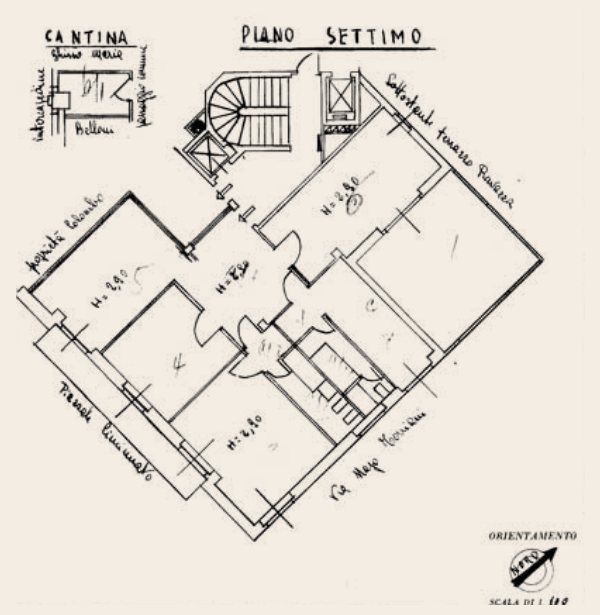
When the urban property register was set up, around 1940, owners filed a floor plan for each unit. This first plan on record shows the layout as it was declared at the time: rooms, heights, outbuildings and cellars.
4. Notarial deeds and old records
Deeds of sale, inheritance documents, old surveys and municipal records fill the gaps. A deed from the 1950s describing "a two-storey house with stable and barn" can be decisive.
Then I compare it with today
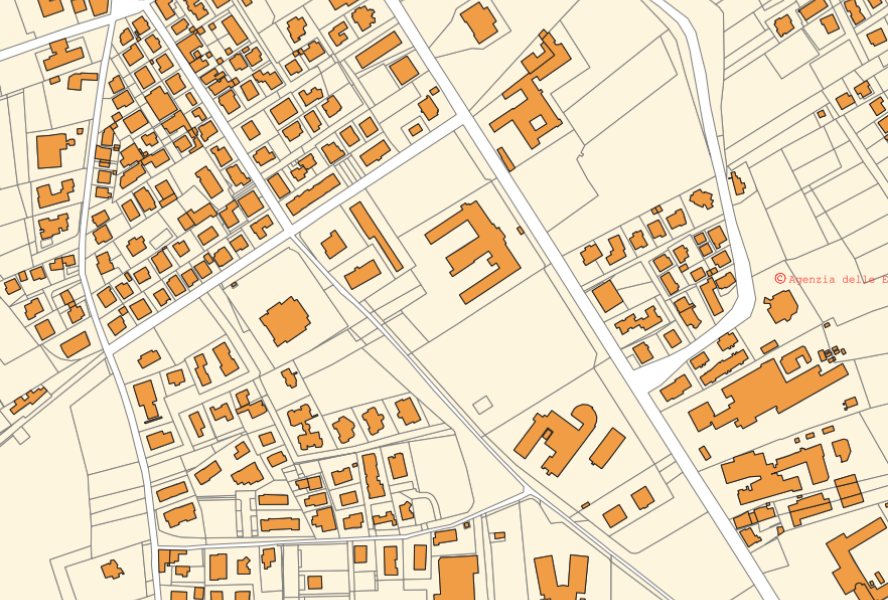
Once I have reconstructed the history, I compare it with the house as it stands today. This is where the real answers come from:
- what existed before 1967 is covered by the documentary evidence;
- what was added or changed afterwards needs its own permit;
- anything without either is an irregularity, which may or may not be legalised.
If you want to know more about how this comparison works, read On Paper vs On Site: Does the House Match the Approved Drawings?
What to watch out for
- A sentence in the deed is not proof. Many deeds simply state that the building "was built before 1 September 1967". That statement alone does not prove what the house looked like at the time, or that it has not changed since.
- Existence is not enough. The evidence must show the size and shape of the building, not just that something stood there.
- Later changes count. A pre-1967 farmhouse with a 1980s extension is legal only in its original part, unless the extension has its own permit.
Before you sign
For a buyer, an old house without a permit is not a reason to panic, but it is a reason to check carefully. I trace the history of the property, compare it with what stands today and give you a clear report in English, before the preliminary contract (compromesso). For the complete list of checks, read Buying a House in Tuscany: 7 Technical Checks to Make Before You Sign.
Found an old house you love? Book a free 15-minute call and tell me about it.
Share this article
Need technical advice on a property in Italy?
Tell us about your project: we will reply within 24 hours, in English.
Book a free 15-min call