
What Does a Geometra Do? The Italian Property Expert Explained
- Geometra
- Buying property in Italy
- Property survey
- Tuscany
- Lucca
If you are buying a house in Italy, sooner or later someone will tell you: "You need a geometra." For many foreign buyers it is a new word, and it is not obvious what this professional does or why it matters. In short, a geometra is the Italian property expert who checks a house before you buy it: whether it is legal, whether the official records match reality, and what it will really cost you.
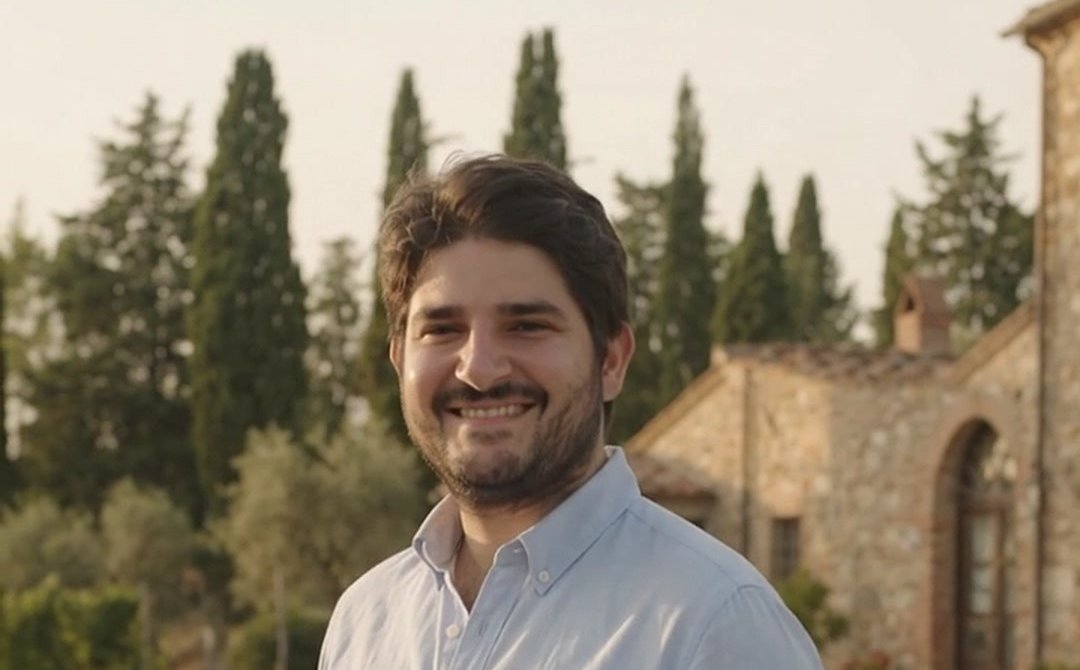
I am Salvatore La Rocca, a geometra based in Lucca. Here is what my job involves, explained without the jargon.
More than a surveyor
The word comes from "geometry", but the job goes well beyond measuring land. A geometra is a licensed Italian technician who has passed a state qualification exam and is registered with the provincial Collegio dei Geometri. The profession combines three areas of knowledge that, in other countries, are often split between different people:
- buildings: how they are built, their condition and what can be done with them;
- the land registry (Catasto): the official maps and floor plans of every property in Italy;
- planning rules: the permits needed to build, renovate or change the use of a property.
If you come from the UK, the closest equivalent is a chartered surveyor. If you come from the US, think of a home inspector, a land surveyor and a permit expediter in one person.
A geometra is not a notary or an estate agent
This is the most common misunderstanding. In an Italian property purchase there are three different roles:
- the estate agent (agente immobiliare) represents the sale and is paid on commission when the deal closes;
- the notary (notaio) is a public official who checks ownership, mortgages and the legal documents, and registers the deed;
- the geometra checks the building itself: permits, cadastral records and physical condition.
The notary does not visit the house and does not compare the drawings with what was actually built. That is exactly the gap a geometra fills, and it is why an independent technical check, working for you and not for the seller, is so valuable.
1. I check that the house is legal
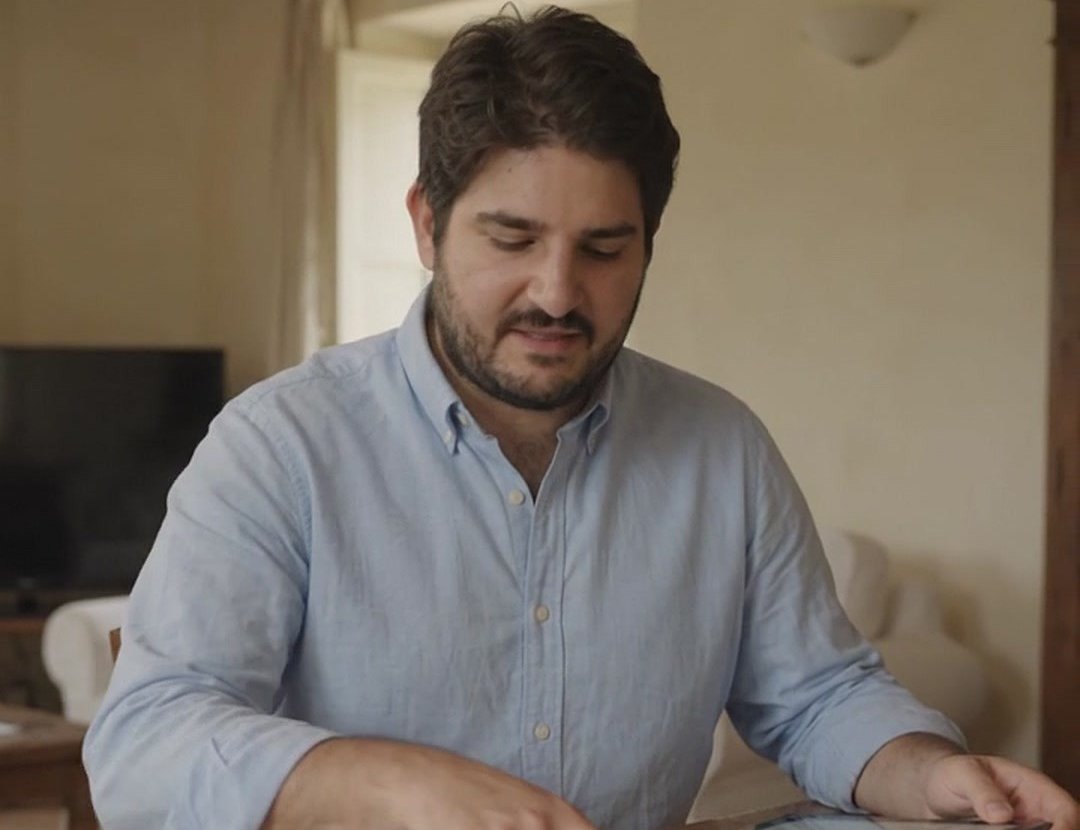
In Italy every building, and every change made to it over the years, needs a permit from the town hall. I request the approved drawings from the municipal archive and compare them with what is actually built: extensions, closed porches, converted attics, windows that were moved, outbuildings that were never authorised.
Some irregularities can be legalised with a retrospective application and a fine; others cannot, and may even require demolition. Knowing which is which before you sign changes everything.
2. I match the cadastral plan with reality
The Catasto holds a floor plan for every property unit. Since 2010 the seller must declare in the deed that this plan matches the actual state of the property. In practice, plans are often outdated: a wall has moved, a bathroom has been added, a room no longer exists.
If the plan does not match, it has to be updated before the deed with a cadastral filing. This is part of my everyday work, and it is something only a registered technician can submit.
3. I tell you what you can change
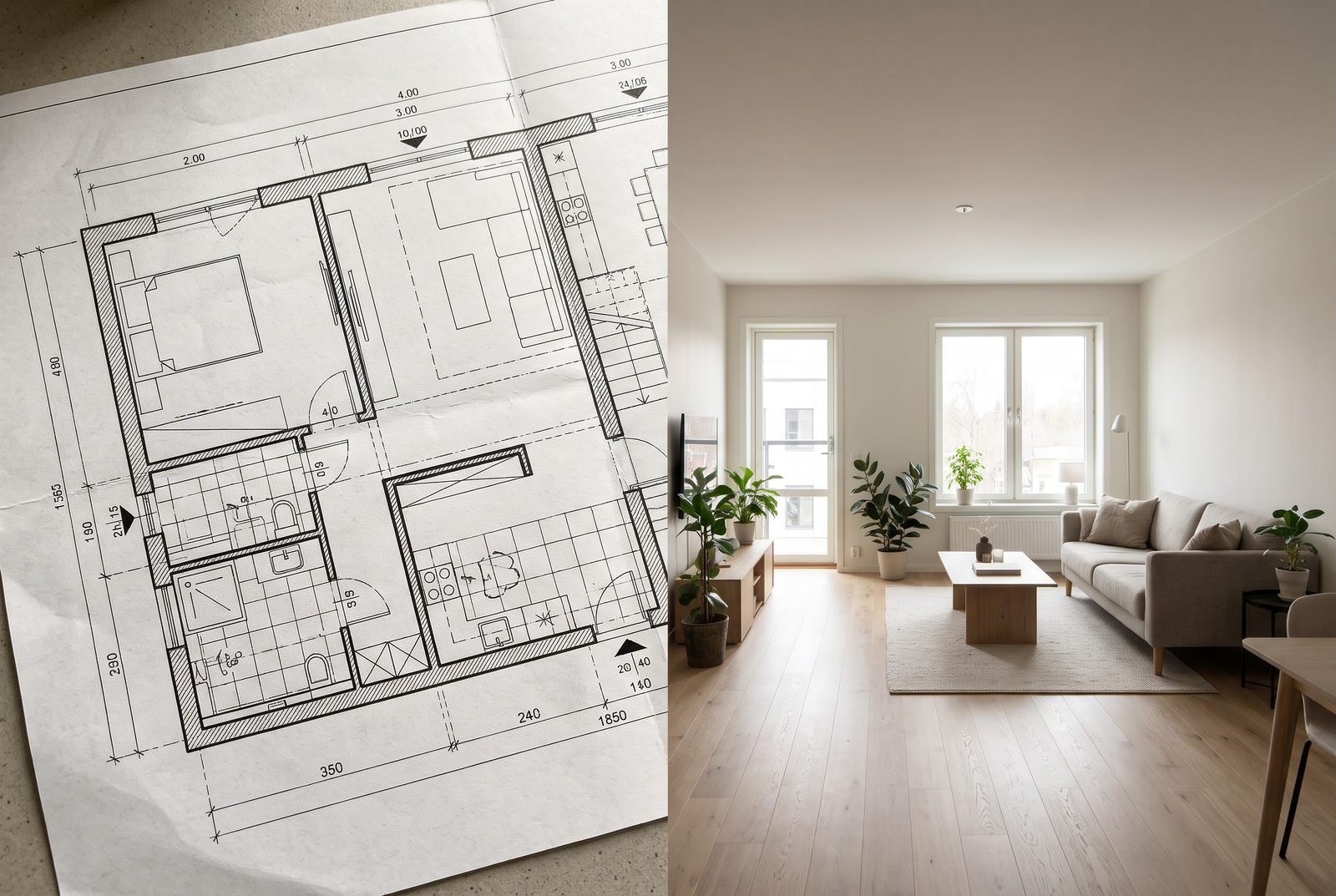
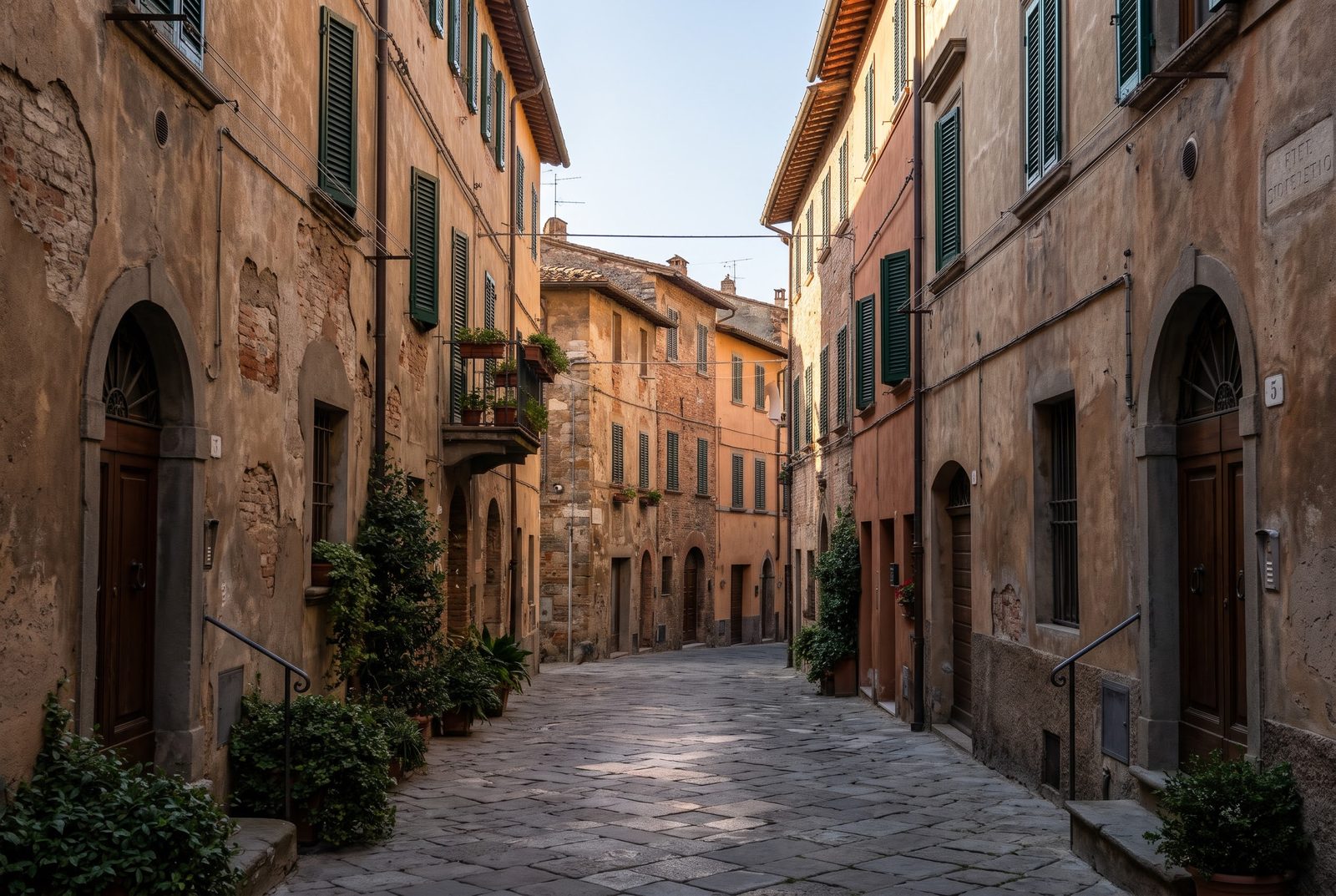
Many buyers have plans for the house: a new kitchen, an open-plan living room, a swimming pool, a converted barn. But large parts of Tuscany are under landscape protection, historic centres such as Lucca have strict rules on facades and materials, and much of Italy is in a seismic zone.
Before you buy, I explain which works are possible, which permit each one needs (from a simple notice to a full building permit) and how long it will take. If you want to know more about the different permits, read CILA, SCIA or Building Permit: which application do you need?
4. I estimate the hidden costs
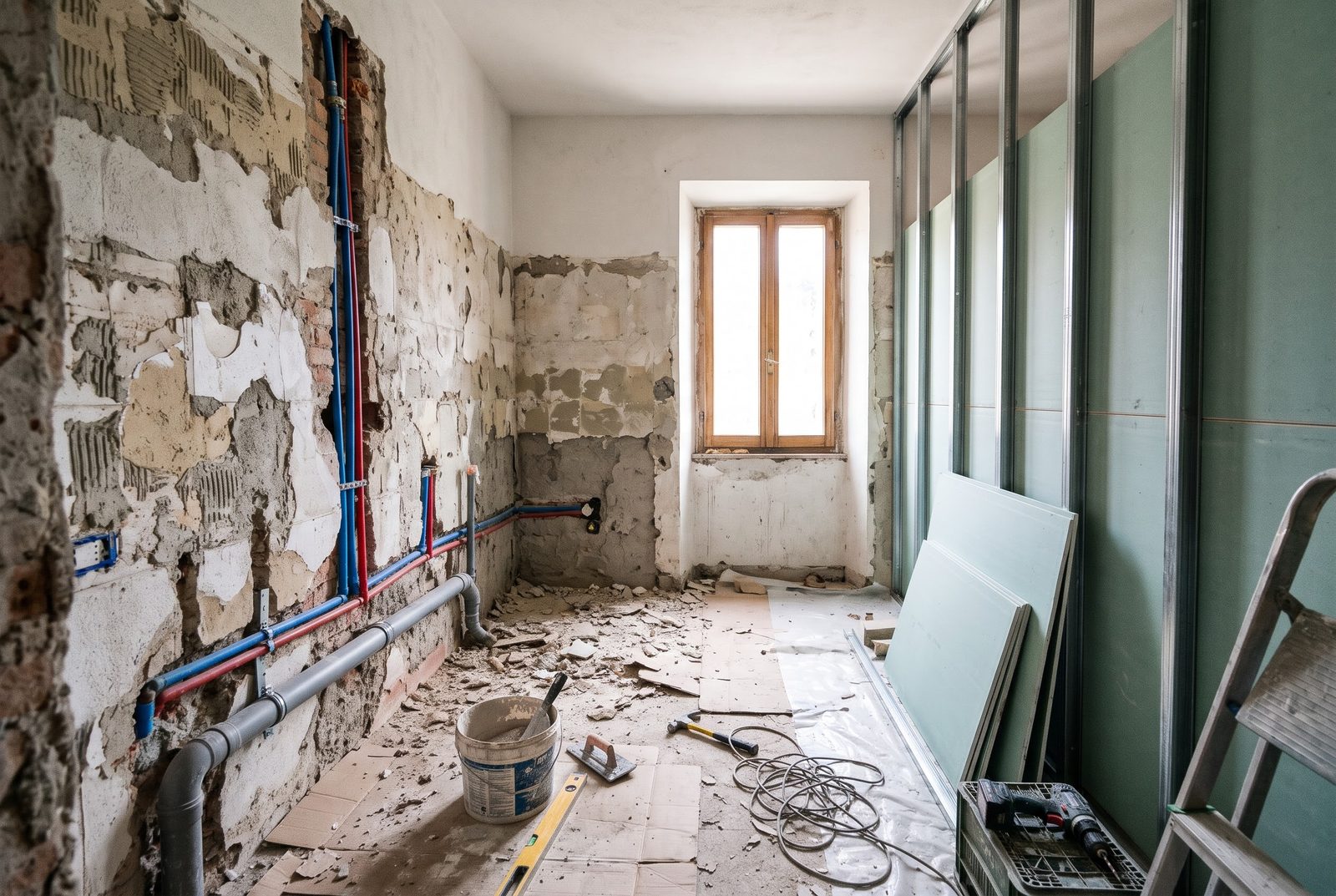
Legalising old works, updating the cadastral plan, bringing systems up to standard, renovating a bathroom or a roof: all of this has a cost. I give you realistic figures before you sign, so you can negotiate the price, plan your budget, or walk away from the wrong property.
What else a geometra does
Checking a property before purchase is only one part of the job. After you buy, the same professional can help you with:
- renovation projects and the related building permits;
- site supervision and construction safety coordination;
- energy performance certificates (APE), required to sell or rent;
- property valuations, inheritance and divisions;
- topographic surveys and boundary checks.
At PENTA STUDIO geometri and engineers work together, so structural design, seismic upgrades and larger projects are handled by the same team, without you having to coordinate different professionals.
When to call a geometra
The right moment is before the preliminary contract (compromesso), when you have not yet paid a deposit. After that, every problem you discover costs you money or negotiating power. For a complete checklist, read Buying a House in Tuscany: 7 Technical Checks to Make Before You Sign.
Working with a geometra from abroad
You do not need to be in Italy. I can access the town hall and cadastral archives, inspect the property on your behalf and send you a clear written report in English with photos, the problems found and the estimated costs. We then go through it together by video call, wherever you are.
Thinking about buying a property in Tuscany? Book a video call and tell me about the house you have in mind.
Share this article
Need technical advice on a property in Italy?
Tell us about your project: we will reply within 24 hours, in English.
Book a video call